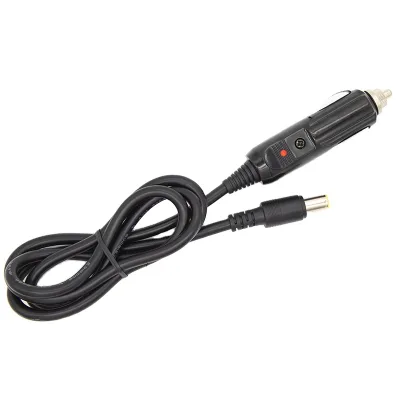
Source car cigarette lighter charger for Audio, GPS, and Phone
Explore 30 listings for the car cigarette lighter charger with varying voltage, port counts, and certifications. Buyers can compare specifications like 12V input, USB outputs, and LED indicators to find suitable power supply solutions for vehicles.
Key considerations
Products List




Comprehensive Sourcing Guide
Car Cigarette Lighter Charger Sourcing Guide
Sourcing car cigarette lighter chargers requires a careful balance between technical compatibility, regulatory compliance, and commercial viability. These devices serve as critical interfaces for powering electronic accessories in vehicles, ranging from basic 12V power outlets to complex multi-port hubs with USB and LED indicators. Buyers must navigate a market where product attributes vary significantly, from simple single-socket units to advanced models featuring dual USB outputs and specific vehicle fitments. The following guide provides evidence-based procurement strategies to help buyers evaluate suppliers, verify specifications, and mitigate risks associated with automotive electrical components.
The observed market data indicates a wide range of product offerings, with prices ranging from $0.08 to $216 USD and minimum order quantities (MOQs) spanning from 1 to 2,000 units. This variance suggests a market segmented by volume, complexity, and target application, from high-volume commodity items to specialized, higher-margin units. Buyers should align their procurement strategy with their specific volume requirements and technical needs, recognizing that lower MOQs may correlate with higher unit costs, while larger orders might offer economies of scale but require stricter quality control measures.
Product Scope and Observed Listing Signals
The product scope for car cigarette lighter chargers encompasses a diverse array of designs, including standard 12V sockets, dual-port USB chargers, and specialized units with LED indicators and specific branding. Observed listings reveal models such as the TE4-1828 and TE4-1835U, which feature distinct physical dimensions and packaging formats like blister cards or boxes. Some products are tailored for specific vehicle markets, such as Audi Europe, while others adopt unique design styles like "New China-Chic" or generic industrial applications. Buyers should carefully review product descriptions to ensure the physical size, port configuration, and aesthetic design align with their end-user requirements.
Packaging and origin details are critical for logistics and branding decisions. Many suppliers list origins in China, with specific manufacturing hubs in Jiangsu and Dongguan, which may influence shipping costs and lead times. Packaging options vary from individual blister cards to bulk carton shipments containing 100 pieces per box, impacting storage and retail readiness. Buyers must verify the exact packaging specifications to avoid unexpected costs or logistical challenges, ensuring that the chosen supplier can meet their distribution needs without compromising product integrity during transit.
Technical Specifications to Verify
Technical verification is paramount when sourcing car cigarette lighter chargers, as incorrect specifications can lead to product failure or safety hazards. Key attributes to verify include input voltage, which typically ranges from 12V to 24V, and output capabilities, such as 12V DC or specific USB amperage ratings like 2.1A or 1.0A. Buyers should confirm the presence of essential features like LED indicators, fuse protection (e.g., 10A), and the number of ports, as these directly impact user experience and device reliability. Misalignment in voltage or current specifications can result in incompatible products that fail to power devices correctly or pose electrical risks.
Physical dimensions and connection types also require strict verification. Products may have specific size standards, such as 8.5x22.8cm or 5.3x3.5cm, and connection types like DC or Lightning ports. Buyers should request detailed technical drawings or product samples to confirm these dimensions and ensure compatibility with their target vehicle models or accessory ecosystems. Additionally, verifying the grounding status, such as non-grounding designs, and IP ratings, if applicable, is essential for ensuring the product meets the intended application's environmental and safety requirements.
Compliance and Safety Documentation
Compliance with international and regional safety standards is non-negotiable for automotive electrical components. Buyers must ensure that suppliers provide valid certification documents, such as CE, RoHS, and CCC, which indicate adherence to specific safety, environmental, and electromagnetic compatibility regulations. The presence of these certifications should be verified against official databases or through third-party testing reports to confirm their authenticity and relevance to the target market. Without proper certification, products may face customs delays, legal liabilities, or rejection by retailers and end-users.
Beyond certifications, buyers should inquire about additional safety features and testing protocols. Features like built-in fuses and LED indicators often serve as safety mechanisms, but their effectiveness must be validated through independent testing. Buyers should request test reports for electrical safety, surge protection, and thermal performance to ensure the products can withstand the harsh conditions of automotive environments. Verifying these documentation details helps mitigate risks associated with product recalls, warranty claims, and brand reputation damage.
Cost Drivers and Commercial Terms
Cost structures for car cigarette lighter chargers are influenced by factors such as material quality, feature complexity, and order volume. Basic models with single ports and minimal features tend to have lower unit costs, while advanced models with multiple USB outputs, LED indicators, and specialized designs command higher prices. Buyers should analyze the cost breakdown to understand the value proposition of each product option, ensuring that they are not overpaying for unnecessary features or underinvesting in critical safety components. Understanding these cost drivers enables more informed negotiation and budgeting decisions.
Commercial terms, including MOQs, payment terms, and lead times, significantly impact procurement strategy. Observed MOQs range from 1 to 2,000 units, offering flexibility for small businesses and scalability for larger enterprises. Buyers should negotiate terms that align with their cash flow and inventory management capabilities, considering the potential for price discounts on larger orders. Additionally, clarifying lead times and shipping options is essential to ensure timely delivery and avoid stockouts, particularly for seasonal or promotional campaigns.
Supplier Qualification and Quality Control
Supplier qualification is a critical step in mitigating procurement risks. Buyers should conduct thorough due diligence on potential suppliers, verifying their business licenses, manufacturing capabilities, and quality management systems. Suppliers with established reputations and positive customer feedback are generally more reliable, but buyers should also assess their responsiveness, communication skills, and willingness to provide samples for evaluation. Engaging with suppliers who demonstrate transparency and professionalism can lead to more successful long-term partnerships.
Quality control measures must be integrated into the procurement process to ensure product consistency and reliability. Buyers should implement pre-shipment inspections, random sampling, and performance testing to verify that products meet specified standards. Establishing clear quality criteria and acceptance thresholds in contracts helps enforce accountability and provides recourse in case of non-conformance. Regular audits and feedback loops with suppliers can further enhance product quality and drive continuous improvement in the supply chain.
Long-Term Procurement Checks
Long-term procurement success depends on continuous monitoring and adaptation to market changes. Buyers should regularly review supplier performance metrics, including on-time delivery rates, product quality, and customer satisfaction scores. Identifying trends and patterns in supplier performance can help anticipate potential issues and implement proactive measures to address them. Maintaining open communication with suppliers and fostering collaborative relationships can lead to better service levels and innovative solutions.
Additionally, buyers should stay informed about evolving regulatory requirements and technological advancements in the automotive electronics sector. Adapting procurement strategies to align with new standards and consumer preferences ensures that products remain competitive and compliant. Regularly updating supplier qualification criteria and quality control protocols helps maintain high standards and mitigates risks associated with changing market dynamics. By prioritizing long-term checks and strategic planning, buyers can build a resilient and efficient supply chain for car cigarette lighter chargers.
FAQs
What certifications do these car cigarette lighter chargers have?
These products hold CE, RoHS, and ISO certifications. Some listings also include CCC certification. Buyers should verify specific certification documents for each model before placing orders.
Can I request customization for these car cigarette lighter chargers?
Customization is available for these products. Buyers can request specific modifications to meet their requirements. Contact suppliers directly to discuss available customization options and associated costs.
What is the input voltage for these car cigarette lighter chargers?
The input voltage is typically 12V or 12-24V depending on the model. Some specific units support 24V input. Ensure the selected model matches your vehicle's electrical system voltage.
How many USB ports are included in these car cigarette lighter chargers?
Many models feature dual USB ports with 2.1A output each. Some units include a single USB port or additional Lightning ports. Check the specific model specifications for exact port counts.
What is the warranty period for these car cigarette lighter chargers?
The standard warranty period is 1 year or 12 months. This coverage applies to manufacturing defects under normal use. Review the specific warranty terms provided by the supplier for each item.
Where are these car cigarette lighter chargers manufactured?
These products originate from China, specifically from locations like Jiangsu and Dongguan. The manufacturing base ensures competitive pricing and established supply chains for bulk orders.
What is the minimum order quantity for these car cigarette lighter chargers?
The minimum order quantity ranges from 1 to 2000 units depending on the supplier. Buyers can often start with small quantities for testing before committing to larger bulk orders.